

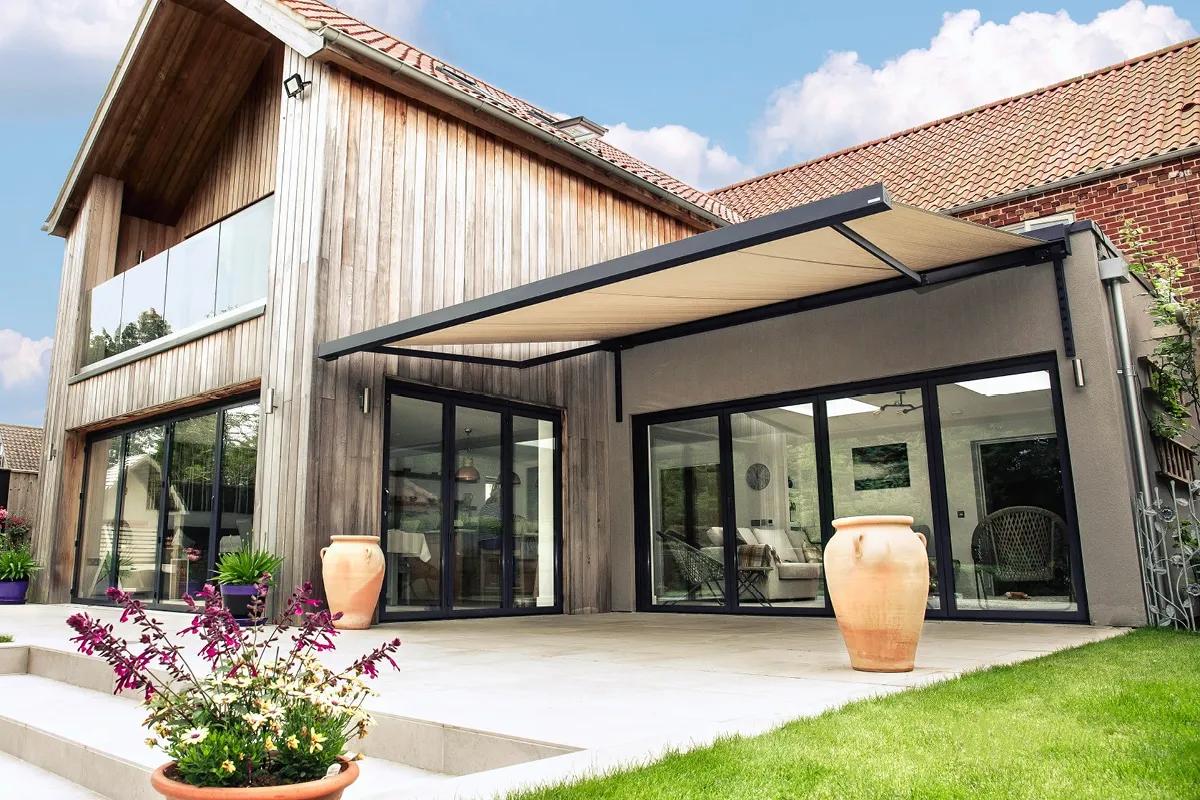
Outdoor Awnings
Ever wondered how some Aussie homes seem to have the perfect outdoor setup, rain or shine? What's their secret to enjoying the backyard during those scorching summer afternoons or sudden downpours? The answer often lies in one simple addition: quality outdoor awnings.
If you're thinking about adding an awning to your house, you're making a smart move. These versatile structures do more than just look good—they protect your home from harsh UV rays, reduce energy costs by keeping interiors cooler, and extend your living space into the great outdoors. Whether you're hosting a barbie or simply enjoying your morning cuppa on the patio, the right awning makes all the difference.
In this guide, we'll walk you through everything you need to know about installing and maintaining exterior house awnings. From understanding the various types of awnings available to learning how to measure for window awnings correctly, we've got you covered. You'll also discover which materials work best for awnings for rain protection and how to keep your investment looking brilliant for years to come. Let's get stuck into it!
Understanding the Different Types of Awnings for Your House
When it comes to types of awnings, you've got plenty of options to choose from. Each style serves a different purpose, so understanding what's available helps you make the right decision for your home.
Fixed Awnings: The Classic Choice
Fixed awnings are permanently attached to your home's exterior and offer consistent protection year-round. They're incredibly durable and require minimal maintenance once installed. These awnings house classics work brilliantly over windows, doors, or patios where you want permanent shade.
Retractable Awnings for Rain Protection and Flexibility
If flexibility is what you're after, retractable awnings for rain protection are absolute gamechangers. You can extend them when you need shelter and tuck them away during beautiful weather. This feature also protects the fabric from unnecessary wear during harsh conditions.
Freestanding and Patio Awnings
Freestanding options don't need to attach to your house at all. They're perfect for creating shaded areas away from your main structure—think poolside lounging or garden entertaining. An awning from house to garden creates a seamless transition between indoor and outdoor living spaces.
Window Awnings vs Full Exterior House Awnings
Window awnings target specific areas, reducing heat gain through glass and protecting furnishings from sun damage. Full exterior house awnings, on the other hand, cover larger areas like decks and patios, creating proper outdoor rooms.
Popular Awning Styles to Suit Your Home's Aesthetic
Choosing the right awning styles means matching functionality with your home's character. The good news? There's something for every property type.
Modern Minimalist Designs
Clean lines, neutral colours, and sleek mechanisms define modern awning styles. These designs complement contemporary Australian homes beautifully, often featuring motorised systems and subtle mounting hardware. Think muted greys, whites, and blacks that blend seamlessly with modern architecture.
Traditional and Heritage Awning Styles
For older homes or those with classic aesthetics, traditional awnings house designs add authentic charm. Scalloped edges, striped fabrics, and dome-shaped window awnings work wonderfully on Queenslanders, Federation homes, and character properties.
Choosing the Right Awning from House to Garden
Consider how your awning will look from multiple angles. Your awning from house perspectives matter, but so does how it appears from the street and garden. Take photos of your space and visualise different styles before committing.
How to Measure for Window Awnings: A Step-by-Step Guide
Getting your measurements right is absolutely crucial. Knowing how to measure for window awnings properly saves you money and headaches down the track.
Tools You'll Need Before You Start
Grab a metal tape measure (fabric ones stretch), a pencil, paper, and a ladder if needed. Having someone to assist makes the process safer and more accurate. A spirit level also helps confirm your surfaces are true.
Measuring Width, Projection, and Drop Correctly
Start by measuring the width of your window frame, then add 50-100mm on each side for optimal coverage. Projection refers to how far the awning extends from the wall—typically 600-900mm for window awnings. Drop is the vertical measurement from mounting point to the awning's lowest edge.
Common Measuring Mistakes to Avoid
Don't measure just once—always double-check your figures. Avoid measuring on angles and make sure you're noting down external frame measurements rather than glass dimensions. Also, check for any obstacles like downpipes or lights that might interfere with installation.

What Materials Are Best for Awnings for Rain Protection?
Material choice significantly impacts how well your awnings for rain protection perform. Here's what you need to know.
Canvas remains popular for its natural look, but modern acrylic fabrics offer superior water resistance and UV protection. They're also mould-resistant, which is essential in Australia's humid climates. For maximum rain protection, look for fabrics treated with waterproof coatings.
PVC and polyester materials provide excellent durability and weather resistance. They're easy to clean and maintain, making them practical choices for busy households. Aluminium frames paired with quality fabrics create wind and rain proof awning solutions that stand up to Australian conditions.
Installing Your House Awning: DIY vs Professional Installation
Deciding between DIY and professional installation depends on your skill level and the complexity of your chosen awning.
Preparing Your Exterior Wall and Mounting Points
Before installation, inspect your walls for damage or weakness. Mark out your mounting points carefully, ensuring they align with structural supports. For brick walls, you'll need appropriate masonry fixings. Timber frames require different hardware.
Step-by-Step Installation Process
Most house awning installations follow similar steps: mounting the brackets, attaching the awning body, connecting any mechanisms, and testing operation. Always follow manufacturer instructions precisely. Retractable models require additional setup for motors and remote systems.
When to Call in the Professionals
If your awning is particularly large, requires electrical work for motorisation, or needs mounting on difficult surfaces, professional installation is worthwhile. Experts bring proper equipment and guarantee their workmanship, giving you peace of mind.
Can Awnings Withstand Strong Winds and Heavy Rain?
This is one of the most common questions homeowners ask, and rightly so given Australian weather patterns.
Choosing a Wind and Rain Proof Awning
Not all awnings handle extreme weather equally. A quality wind and rain proof awning features reinforced frames, heavy-duty fabrics, and secure mounting systems. Look for products rated for specific wind speeds—typically displayed in kilometres per hour.
Key Features That Improve Weather Resistance
Seek out awnings with integrated drainage channels that direct water away effectively. Tensioned fabric systems prevent pooling and sagging during heavy rain. Wind sensors on motorised models automatically retract the awning when conditions become unsafe, protecting your investment.
How to Maintain Your Exterior House Awnings Year-Round
Regular maintenance keeps your exterior house awnings looking great and functioning properly for years.
Seasonal Cleaning Tips for Australian Climates
Clean your awnings every few months using mild soap and water. Avoid harsh chemicals that can damage fabric coatings. In dusty areas or near the coast, you might need more frequent cleaning to prevent buildup and corrosion.
Inspecting for Wear, Mould, and Sun Damage
Check your awnings regularly for signs of trouble. Look for fraying edges, faded patches, or mould growth—especially in shaded areas that don't dry quickly. Early detection means simpler repairs.
Protecting Retractable Mechanisms from the Elements
Lubricate moving parts annually with appropriate products. Keep tracks and channels clear of debris. During extended periods of bad weather, retract your awnings to prevent unnecessary stress on mechanisms.
How Long Do Outdoor Awnings Typically Last?
With proper care, quality awnings typically last 10-15 years. Premium materials and regular maintenance can extend this significantly. Retractable models may need mechanism servicing every few years to maintain smooth operation.
Factors affecting lifespan include sun exposure intensity, frequency of severe weather, and how well you maintain your awnings. Investing in quality products upfront generally pays off through longer service life.
Enjoying Your Outdoor Spaces in All Weather Conditions
Installing and maintaining outdoor awnings transforms how you use your home's exterior spaces. From understanding the various types of awnings to mastering how to measure for window awnings, you've now got the knowledge to make informed decisions.
Remember, choosing the right awning styles, materials, and installation approach depends on your specific needs and property. Whether you opt for retractable awnings for rain protection or prefer fixed exterior house awnings, proper maintenance ensures your investment serves you well for years to come.
So, what are you waiting for? Your perfect outdoor living space is just an awning away. Take the plunge, follow these guidelines, and start enjoying your backyard in any weather. Your future self—relaxing under quality shade while the rain patters overhead—will thank you!